CFD là công cụ phức tạp và đi kèm với rủi ro cao khiến bạn mất tiền nhanh chóng do đòn bẩy. 76% tài khoản nhà đầu tư nhỏ lẻ bị thua lỗ khi giao dịch CFD với nhà cung cấp này. Bạn nên cân nhắc liệu mình có hiểu cách CFD hoạt động và liệu có đủ khả năng chấp nhận rủi ro cao mất tiền hay không.
CFD là công cụ phức tạp và đi kèm với rủi ro cao khiến bạn mất tiền nhanh chóng do đòn bẩy. 76% tài khoản nhà đầu tư nhỏ lẻ bị thua lỗ khi giao dịch CFD với nhà cung cấp này. Bạn nên cân nhắc liệu mình có hiểu cách CFD hoạt động và liệu có đủ khả năng chấp nhận rủi ro cao mất tiền hay không.


Cách tính kích thước lot cho Forex và vàng (XAU/USD) một cách đơn giản


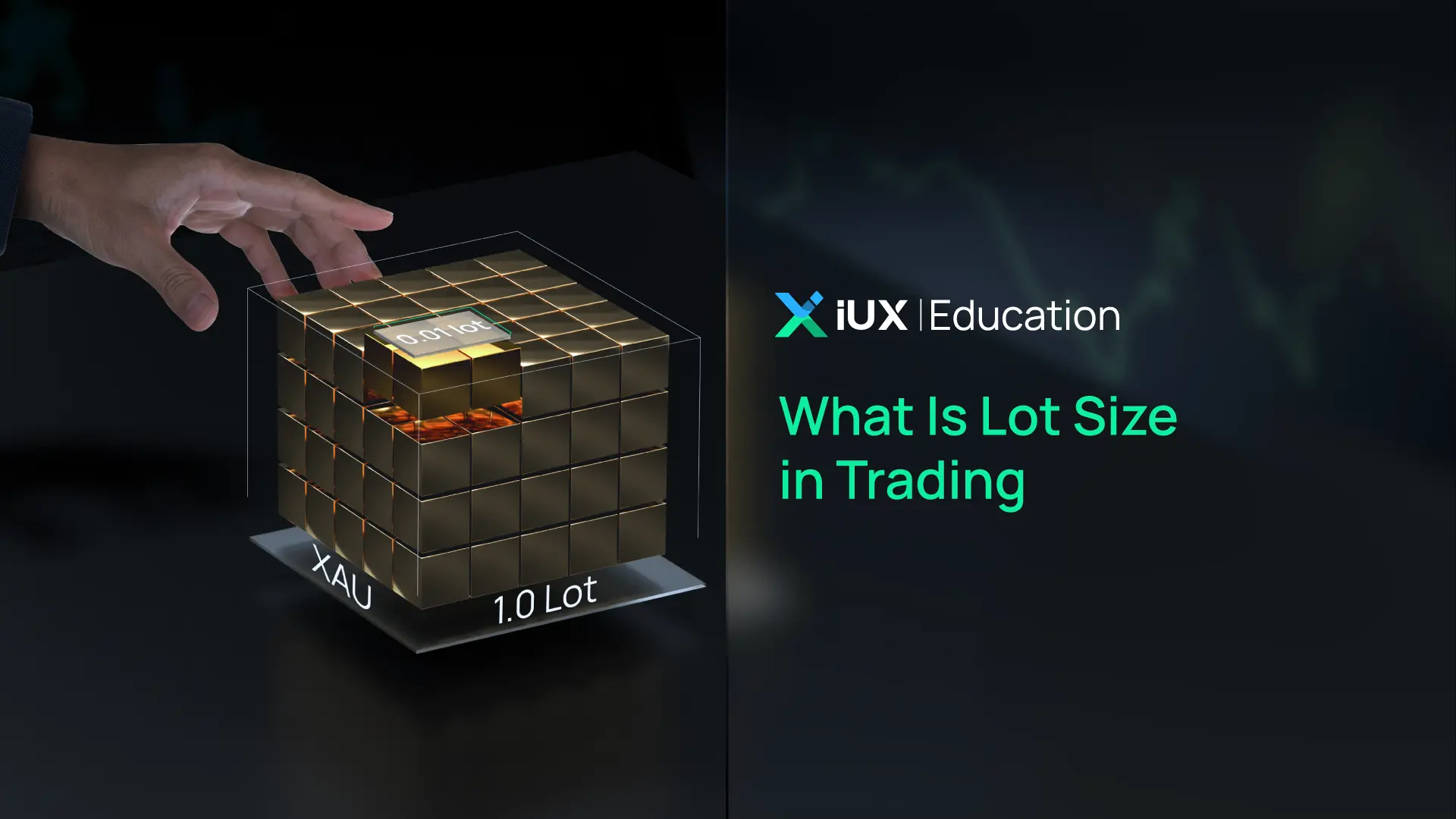
Trước khi học cách tính kích thước lot khi giao dịch Forex hoặc vàng (XAU/USD), bạn cần hiểu rõ cách hoạt động của lot. Kích thước lot không chỉ áp dụng cho các cặp tiền tệ mà còn được sử dụng cho nhiều loại tài sản khác như cổ phiếu và hàng hóa (commodities) như vàng hoặc dầu. Quan trọng nhất, quy mô của 1 lot sẽ khác nhau tùy thuộc vào từng loại tài sản.
Kích thước lot trong giao dịch Forex là gì?
Kích thước lot là đơn vị tiêu chuẩn dùng để xác định quy mô hoặc giá trị của một giao dịch trên thị trường Forex. Trong Forex, 1 lot tiêu chuẩn tương đương 100.000 đơn vị của đồng tiền cơ sở. Điều này ảnh hưởng trực tiếp đến mức rủi ro, lợi nhuận hoặc thua lỗ trong mỗi giao dịch bạn thực hiện. Khi hiểu rõ về kích thước lot, bạn có thể điều chỉnh giao dịch phù hợp với khẩu vị rủi ro và tận dụng các cơ hội trên thị trường.
Kích thước lot thường được chia thành các loại:
- Standard Lot = 100.000 đơn vị
- Mini Lot = 10.000 đơn vị
- Micro Lot = 1.000 đơn vị
Tuy nhiên, giao dịch không chỉ giới hạn ở tiền tệ. Bạn cũng có thể giao dịch các tài sản khác như cổ phiếu, vàng hoặc dầu — mỗi loại đều có cách định nghĩa kích thước lot riêng. Ví dụ, 1 lot dầu thường tương đương 1.000 thùng, trong khi 1 lot vàng tương đương 100 ounce.
Việc tính toán kích thước lot trong Forex là một phần quan trọng của quản lý rủi ro, vì nó ảnh hưởng đến cả giá trị pip và mức ký quỹ (margin) cần thiết cho giao dịch. Các yếu tố như quy mô tài khoản, mức chấp nhận rủi ro và quy định của broker đều ảnh hưởng đến kích thước lot tối ưu cho mỗi giao dịch.

Tại sao bạn nên xác định kích thước lot trước khi giao dịch
Một trong những nguyên tắc cốt lõi của quản lý rủi ro là lựa chọn kích thước lot phù hợp với quy mô tài khoản và mức chấp nhận rủi ro của bạn.
Nếu kích thước lot quá lớn, chỉ một biến động giá nhỏ cũng có thể dẫn đến thua lỗ đáng kể. Ngược lại, nếu kích thước lot quá nhỏ, lợi nhuận tiềm năng có thể không tương xứng với rủi ro bạn đang chấp nhận. Vì vậy, việc xác định kích thước lot hợp lý — cùng với việc thiết lập mức dừng lỗ (stop loss) và chốt lời (take profit) — là điều mà mọi trader chuyên nghiệp đều thực hiện trước khi vào lệnh.
Cách tính kích thước lot (How to Calculate Lot Size)
Việc tính kích thước lot giữa giao dịch vàng và Forex có sự khác nhau, mặc dù cả hai đều sử dụng thuật ngữ “lot”. Nguyên nhân là do mỗi loại tài sản có đơn vị riêng, ảnh hưởng đến giá trị pip cũng như cách quy đổi theo tỷ giá hiện tại.
- Forex (EUR/USD): 1 lot = 100.000 đơn vị của đồng tiền cơ sở (100.000 EUR)
- Vàng (XAU/USD): 1 lot = 100 ounce vàng
Điều này có nghĩa là khi bạn giao dịch 1 lot EUR/USD, bạn đang giao dịch với quy mô hợp đồng là 100.000 euro. Trong khi đó, với XAU/USD, bạn đang giao dịch 100 ounce vàng — không phải một số tiền cụ thể.
Trong Forex, giá trị pip phụ thuộc vào cặp tiền tệ, kích thước lot, giá trị đồng tiền và tỷ giá hiện tại. Ví dụ, với 1 lot tiêu chuẩn của EUR/USD, giá trị mỗi pip thường khoảng $10.
Trong giao dịch vàng, 1 pip tương đương 0,01 (ví dụ: từ 3.000,00 lên 3.000,01). Với 1 lot (100 ounce), mỗi pip có giá trị $1.
 |
Lưu ý:Trước khi vào lệnh, bạn luôn nên kiểm tra giá trị của “1 pip” đối với tài sản mà mình đang giao dịch. Mặc dù thuật ngữ “lot” được sử dụng chung cho nhiều loại tài sản, nhưng giá trị pip giữa Forex và vàng là hoàn toàn khác nhau. Nếu tính sai, bạn có thể vô tình chịu mức rủi ro cao hơn dự kiến mà không hề nhận ra. |
Ví dụ tính kích thước lot Forex (Forex Lot Size Calculation Example)
Vì giá trị pip của 1 lot tiêu chuẩn không cố định như trong giao dịch vàng và sẽ thay đổi tùy theo từng cặp tiền tệ, nên cần lưu ý rằng hầu hết các cặp Forex được niêm yết đến 4 chữ số thập phân. Đây là cơ sở để xác định kích thước pip và tính giá trị tiền tệ của các biến động giá nhỏ. Do đó, bạn cần tính giá trị pip dựa trên từng cặp tiền cụ thể.
Để đơn giản hóa việc tính kích thước lot và giá trị pip, trader có thể sử dụng các công cụ như máy tính online, giúp tăng độ chính xác và tiết kiệm thời gian.
Tính giá trị pip theo đơn vị tiền tệ tài khoản
-
Đối với các cặp tiền có 4 chữ số thập phân và USD là đồng tiền định giá (quote currency) — như EUR/USD hoặc GBP/USD:
-
1 pip = $0.0001
-
Giá trị pip trên mỗi đơn vị = 0.0001
-
Giá trị pip cho 1 lot tiêu chuẩn (100.000 đơn vị) = 0.0001 × 100.000 = $10
-
Ví dụ:
-
Quy mô tài khoản: $1.000
-
Rủi ro mỗi giao dịch: 2% = $20
-
Stop Loss = 50 pip
-
Giá trị pip mỗi lot = $10
Công thức:
Nói một cách đơn giản, kích thước lot được khuyến nghị là 0,04 lot tiêu chuẩn (standard lot), tương đương 0,4 mini lot. Điều này giúp bạn duy trì mức rủi ro an toàn cho một tài khoản giao dịch nhỏ.
Ví dụ tính kích thước lot vàng

Việc tính giá trị mỗi point của vàng (XAU/USD) đơn giản hơn so với các cặp Forex, vì giá vàng luôn được niêm yết bằng USD trên mỗi ounce. Khi bạn mở 1 lot vàng, nghĩa là bạn đang giao dịch trực tiếp 100 ounce. Do đó, khi giá tăng hoặc giảm $1 trên mỗi ounce, tương đương với biến động 1 point — dẫn đến thay đổi $100 (100 ounce × $1).
Một điểm quan trọng cần phân biệt: mặc dù giá vàng hiển thị hai chữ số thập phân (ví dụ: $3000.00) và mức biến động $0.01 được xem là 1 pip, nhưng mức $1 mỗi lot này thường biến động rất nhanh. Vì vậy, hầu hết trader sẽ lập kế hoạch và phân tích giao dịch vàng dựa trên biến động 1 point ($1.00), vì nó phản ánh rõ ràng hơn tác động đến lợi nhuận hoặc thua lỗ.
Do đó, trader có thể đơn giản sử dụng giá trị 100 làm pip value cho vàng, mà không cần quy đổi như trong Forex.
Để tránh nhầm lẫn, cần hiểu rõ hai khái niệm sau:
-
1 Point: Biến động giá $1.00 trên mỗi ounce (ví dụ: từ $3000.00 lên $3001.00), tương đương lợi nhuận/thua lỗ $100 cho 1 lot tiêu chuẩn vàng. Đây là đơn vị được trader sử dụng phổ biến nhất.
-
1 Pip: Biến động giá $0.01 trên mỗi ounce (ví dụ: từ $3000.00 lên $3000.01), tương đương lợi nhuận/thua lỗ $1 cho 1 lot tiêu chuẩn vàng. Đây là mức biến động nhỏ nhất hiển thị trong giao dịch vàng.
Ví dụ:
-
Quy mô tài khoản: $1.000
-
Mức chấp nhận rủi ro: 2% tài khoản = $20
-
Stop loss: 10 point (pip) = $10 mỗi point
Công thức:
Giải thích các biến:
-
Số dư tài khoản (Account Balance): Tổng số tiền có trong tài khoản giao dịch của bạn (tính bằng USD)
-
ỷ lệ rủi ro (Risk Percentage – dạng thập phân): Phần trăm vốn bạn sẵn sàng chấp nhận rủi ro cho mỗi giao dịch (dạng số thập phân, ví dụ: 2% = 0,02, 1% = 0,01)
-
Điểm dừng lỗ (Stop Loss Points): Khoảng cách giữa giá vào lệnh và mức dừng lỗ, được đo bằng “point”, trong đó mỗi point tương đương 1,00 USD trên mỗi ounce vàng
-
100: Kích thước hợp đồng của 1 lot tiêu chuẩn vàng (100 ounce), được dùng để tính tổng mức rủi ro bằng USD cho 1 lot tiêu chuẩn
Do đó, kích thước lot mà trader nên sử dụng — dựa trên số dư tài khoản, loại tài sản và mức chấp nhận rủi ro — là 0,02 lot.
Sử dụng công cụ tính kích thước lot (Lot Size Calculator)
Công cụ tính kích thước lot là một công cụ vô cùng hữu ích đối với các trader Forex, giúp xác định kích thước lot tối ưu cho mỗi giao dịch dựa trên các thông số rủi ro cá nhân. Bằng cách nhập các thông tin như quy mô tài khoản, tỷ lệ rủi ro, cặp tiền tệ, đồng tiền cơ sở, giá trị pip và mức dừng lỗ (stop loss), công cụ sẽ nhanh chóng tính toán kích thước lot phù hợp để đảm bảo rủi ro luôn nằm trong giới hạn bạn đã đặt ra.
Ví dụ, nếu bạn dự định giao dịch EUR/USD với mức rủi ro 2% và stop loss là 50 pip, công cụ sẽ sử dụng quy mô tài khoản của bạn cùng với giá trị pip của EUR/USD để tính toán chính xác số đơn vị bạn nên giao dịch. Điều này giúp bạn tránh việc mạo hiểm quá mức so với kế hoạch ban đầu, bất kể biến động thị trường hay sự thay đổi giá.
Hầu hết các broker đều cung cấp sẵn công cụ tính kích thước lot ngay trên nền tảng giao dịch, giúp bạn dễ dàng tính toán trước khi vào lệnh. Ngoài ra, bạn cũng có thể sử dụng các công cụ tính online hoặc tài khoản demo để luyện tập và cải thiện kỹ năng tính toán. Việc sử dụng công cụ này giúp duy trì tính chính xác và kỷ luật trong quyết định giao dịch, đảm bảo kích thước lệnh luôn phù hợp với chiến lược quản lý rủi ro của bạn.
Tóm tắt
Trước khi bắt đầu giao dịch Forex hoặc vàng, việc hiểu rõ kích thước lot là bước cơ bản giúp bạn quản lý rủi ro hiệu quả.
Kích thước lot là đơn vị tiêu chuẩn dùng để xác định khối lượng giao dịch và sẽ khác nhau tùy theo từng loại tài sản. Trong Forex, 1 lot tương đương 100.000 đơn vị của đồng tiền cơ sở.
Đối với vàng, 1 lot tương đương 100 ounce. Việc tính toán kích thước lot nên dựa trên quy mô tài khoản, mức dừng lỗ (stop loss) và mức rủi ro chấp nhận được. Mỗi loại tài sản có công thức riêng, giúp bạn điều chỉnh khối lượng giao dịch phù hợp với nguồn vốn hiện có. Điều này ảnh hưởng trực tiếp đến lợi nhuận, thua lỗ và mức độ an toàn của tài khoản giao dịch theo thời gian.
💡Frequently Asked Questions (FAQ)
Q: 1 Lot = 100.000 nghĩa là gì?
A: Đây là quy mô giao dịch tiêu chuẩn trong thị trường Forex. Một lot tương đương 100.000 đơn vị của đồng tiền cơ sở. Ví dụ, 1 lot EUR/USD nghĩa là 100.000 euro.
Q: Đơn vị lot là gì?
A: Lot là đơn vị dùng để đo khối lượng giao dịch trong Forex hoặc các tài sản khác như cổ phiếu, vàng hoặc dầu. Nó giúp xác định mức độ rủi ro và lợi nhuận tiềm năng dựa trên biến động giá.
Q: 2 lot nghĩa là gì?
A: Điều đó có nghĩa là bạn đang mở một giao dịch gấp đôi kích thước lot tiêu chuẩn. Trong Forex, đó là 200.000 đơn vị của đồng tiền cơ sở. Đối với vàng, sẽ là 200 ounce.
Lưu ý: Bài viết này chỉ nhằm mục đích cung cấp kiến thức cơ bản và không phải là lời khuyên đầu tư. Nhà đầu tư nên tự nghiên cứu thêm trước khi đưa ra quyết định đầu tư.
Source : What is lot in trading & how to calculate lot size, Importance of Gold lot size