CFDs are complex instruments and come with a high risk of losing money rapidly due to leverage. 76% of retail investor accounts lose money when trading CFDs with this provider. You should consider whether you understand how CFDs work and whether you can afford to take the high risk of losing your money.
CFDs are complex instruments and come with a high risk of losing money rapidly due to leverage. 76% of retail investor accounts lose money when trading CFDs with this provider. You should consider whether you understand how CFDs work and whether you can afford to take the high risk of losing your money.


News Trading in Forex: Is It Still Effective and How Should Traders Adapt?
For many years, one timeless principle has remained true in finance: information is power. Traders who understand how to interpret news events often gain an advantage in fast-moving markets. This has given rise to what is known as News Trading—a strategy that reacts to economic data, political events, and central bank decisions.
But as the global economy evolves, market structure changes, and technology advances, one question continues to arise: Is news-based trading still a viable strategy today? And if so, how should traders adapt to succeed in the long run?
This article explores the foundations of news trading, how to read an economic calendar, what types of events move the Forex market, and how traders can refine their strategies to remain effective in any market cycle.
What Is News Trading?

News Trading is a trading approach that focuses on interpreting economic, financial, and political events and using that information to make buy or sell decisions. Traders using this strategy rely on timely information, quick analysis, and a strong understanding of how markets respond to new data.
Most news traders use tools such as:
- Economic calendars
- Real-time news feeds
- Volatility indicators
- Market sentiment tools
These tools allow traders to anticipate major data releases, set up their strategies ahead of time, and react effectively when the numbers come out.
How to Read an Economic Calendar
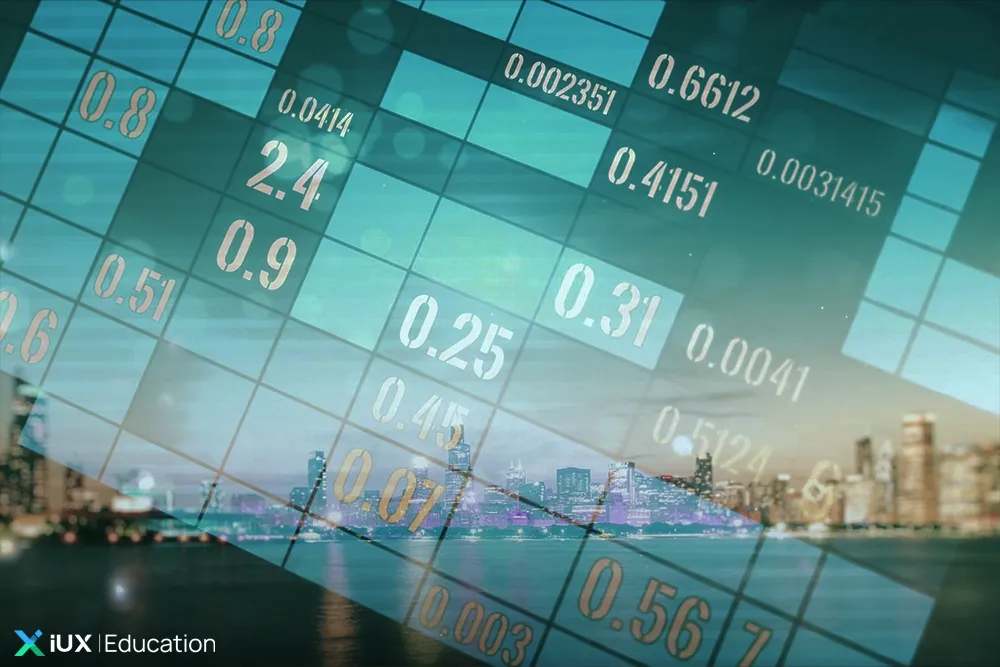
An economic calendar is one of the most essential tools for news traders. It displays upcoming economic events and data releases that may influence currency pairs, indices, commodities, and even crypto markets.
A typical economic calendar includes:
- Date and time of the event
- Country issuing the data
- Name of the economic indicator
- Expected impact level
- Forecast figures
- Previous figures
- Actual figures (after the release)
By comparing forecast vs. actual results, traders can gauge whether the news is positive, negative, or neutral for a currency.
The more you study the calendar, the easier it becomes to anticipate volatility and prepare your risk-management plan.
 |
Tip: To maximize your advantage in News Trading, prioritize utilizing an Economic Calendar to compare the Forecast figures against the Actual results; a significant surprise often signals the greatest volatility and trading opportunity. |
Core Elements of an Economic Calendar
To interpret economic events correctly, traders should pay attention to three numbers:
- Previous
The historical value from the last reporting period.
- Forecast
Analyst expectations—this number often shapes market sentiment before the news.
- Actual
The real figure released during the announcement. This is the most important number and often causes immediate volatility.
Comparing forecast vs. actual provides insight into how the market may react.
Key Economic Indicators to Monitor
Although the calendar contains hundreds of data points, a few consistently move the Forex market. Traders should understand these well.
1. Central Bank Interest Rate Decisions
Interest rates influence borrowing costs, inflation, and currency strength. A rate hike usually supports the currency, while a rate cut often weakens it.
2. U.S. Non-Farm Payrolls (NFP)
NFP reflects job growth in the world’s largest economy. A strong report typically boosts the USD and increases volatility across major currency pairs.
3. CPI and PPI (Inflation Data)
Inflation data strongly influences central bank decisions. High inflation may lead to rate hikes; low inflation may encourage rate cuts.
4. Gross Domestic Product (GDP)
GDP measures economic growth. Higher-than-expected figures generally support both the currency and equity markets.
5. Retail Sales
Retail activity drives consumption, a major component of GDP. Strong figures signal economic strength.
6. Purchasing Managers’ Index (PMI)
A PMI above 50 indicates expansion; below 50 signals contraction. PMI is a leading indicator and often triggers early market reactions.
|
Tip: Focus on how high-impact data points are interconnected: strong jobs/inflation data (NFP/CPI) enables Central Banks to raise Interest Rates, generally strengthening the currency. |
Important Types of News That Consistently Affect Forex Markets

Regardless of the year or economic cycle, certain categories of news always have meaningful influence:
Economic & Financial Events
- Central bank interest rate decisions
- Inflation and employment data
- GDP, trade balances, and industrial production
- Market sentiment surveys (e.g., consumer confidence, PMI)
Global Events
- Government policy changes
- Geopolitical tensions or conflicts
- Trade negotiations
- Technological advancements and digital finance
- Shifts in global supply chains
- Developments in digital currencies (e.g., CBDCs)
These events shape global capital flows and influence the long-term direction of major currencies.
Techniques for Trading Forex During News Releases

A disciplined approach can help traders navigate volatility:
1. Prepare in advance
Check an economic calendar and identify high-impact events. Study the chart 1–2 days before the release to understand the current trend.
2. Mark key price levels
Support, resistance, and breakout zones are important during news-based volatility.
3. Reduce risk
Many traders use:
- Smaller lot sizes
- Lower leverage
- Wider stop-loss levels
This reduces the chance of being stopped out due to temporary spikes.
4. Wait for the initial reaction
Instead of jumping in immediately, many traders wait 10–30 minutes after the release for the market to settle.
5. Use breakout strategies
Some traders place buy-stop and sell-stop orders above and below key price levels before the news release.
6. Align your trade with the data
Better-than-expected data often leads to bullish moves; worse-than-expected data typically results in bearish pressure.
Understanding how each currency pair reacts to specific news is crucial. For example, gold (XAUUSD) often moves in the opposite direction of strong USD data.
Summary
News trading remains a powerful strategy—not because markets repeat themselves, but because human behavior, expectations, and economic forces continue to influence prices. While tools, technology, and market conditions evolve, the foundation of news trading stays relevant.
Traders who adapt, prepare, and analyze news with discipline can continue to capitalize on economic events across any market cycle. With reliable trading platforms, stable execution, and continuous learning, news trading can remain a long-term, sustainable approach for Forex traders.
💡FAQs
Q: Is news trading still effective in today’s Forex market?
A: Yes. News trading remains effective because major economic data and central bank decisions continue to drive volatility. Traders simply need to adapt by using faster platforms, proper risk management, and modern analytical tools.
Q: What types of economic news usually move currency pairs the most?
A: Interest rate decisions, inflation data, GDP, employment reports like NFP, and PMI surveys typically create the strongest market reactions. These indicators directly influence monetary policy and often shift investor sentiment immediately.
Q: How can beginners reduce risk when trading during news events?
A: Start with smaller lot sizes, lower leverage, and wider stop-loss levels to handle sudden volatility. Wait for price to stabilize before entering, and always compare forecast vs. actual data to avoid emotional decision-making.
Note: This article is intended for preliminary educational purposes only and is not intended to provide investment guidance. Investors should conduct further research before making investment decisions.
Source how to trade forex , news trading tips