CFDs are complex instruments and come with a high risk of losing money rapidly due to leverage. 76% of retail investor accounts lose money when trading CFDs with this provider. You should consider whether you understand how CFDs work and whether you can afford to take the high risk of losing your money.
CFDs are complex instruments and come with a high risk of losing money rapidly due to leverage. 76% of retail investor accounts lose money when trading CFDs with this provider. You should consider whether you understand how CFDs work and whether you can afford to take the high risk of losing your money.


Analyzing Global Economic News Impacting Forex Trading
In the world of financial trading, price action is rarely random. It is often the distinct echo of macroeconomic shifts—tectonic movements caused by central bank policies, inflation data, and labor market health.
For forex traders, the difference between reacting to noise and capitalizing on trends lies in understanding Fundamental Analysis. By examining major economic drivers—specifically Interest Rate decisions, Producer Price Indices (PPI), and Jobless Claims—traders can move beyond short-term speculation and craft strategies for sustainable, long-term profitability.
This guide explores how these critical economic events influence global markets, using real-world dynamics from major institutions like the Swiss National Bank (SNB), the European Central Bank (ECB), and U.S. Federal Reserve data points as key case studies.
Central Bank Interest Rate Decisions
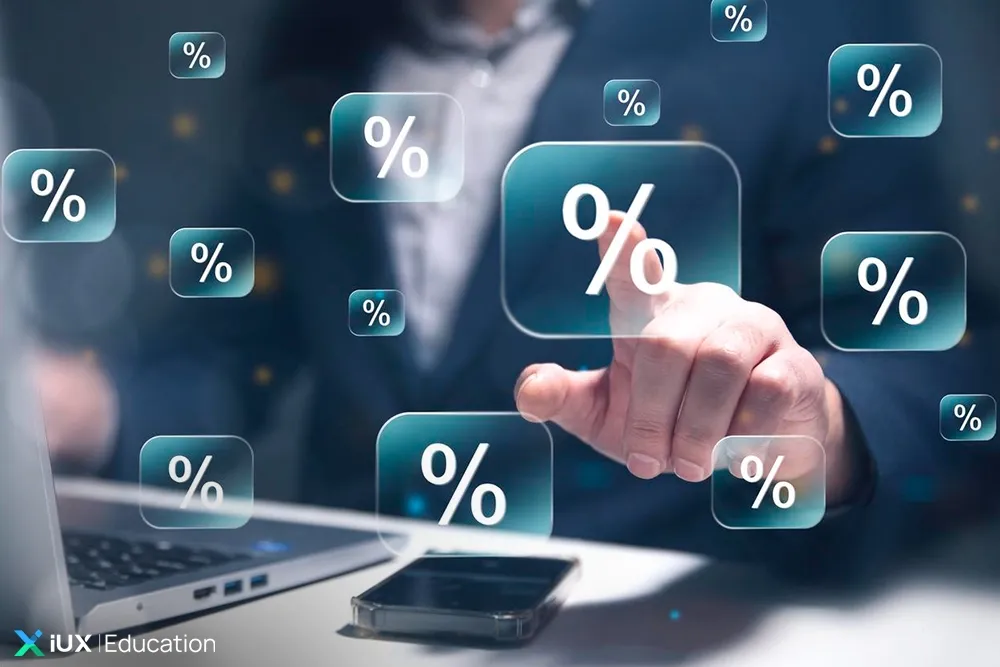
Interest rate announcements are arguably the most influential events on the economic calendar. They represent the "cost of money" and directly dictate the flow of global capital.
Case Study A: The Safe-Haven Dynamic (The SNB)
When an institution like the Swiss National Bank (SNB) adjusts rates, the market reaction is often unique due to the Swiss Franc's (CHF) status as a "safe-haven" currency.
- The Mechanism: The SNB typically adjusts rates to curb inflation or manage currency valuation. Because Switzerland is viewed as a financial bunker, a rate hike often accelerates capital inflows. Investors flee riskier assets for the stability of the Franc.
- Market Impact: This strengthens the CHF against major counterparts. However, it often triggers volatility in European bond and equity markets as liquidity is drained from risk assets to purchase the Franc.
Trader’s Strategy: When trading safe-haven currencies (like CHF or JPY) during rate decisions, focus on Risk-On vs. Risk-Off sentiment.
-
- Pairs to Watch: EUR/CHF, USD/CHF.
- Tactics: Monitor technical support/resistance levels prior to the announcement. In times of global uncertainty, a rate hike here can act as a "double multiplier" for the currency's value.
Case Study B: The Inflation vs. Growth Balancing Act (The ECB)
The European Central Bank (ECB) faces a different challenge: managing the diverse economies of the Eurozone. Their rate decisions are often a tug-of-war between fighting high inflation and preventing economic stagnation.
- The Mechanism: Higher rates increase borrowing costs for businesses and households, theoretically cooling inflation. However, if rates rise too fast, they risk choking off economic recovery.
- Market Impact: Significant moves in the Euro (EUR) occur as traders re-price the "yield" of holding the currency against the risk of an economic slowdown.
Trader’s Strategy: For the Euro, context is key. A rate hike is generally bullish for the currency unless the market fears it will cause a recession.
-
- Pairs to Watch: EUR/USD, EUR/GBP.
- Tactics: Utilize Fibonacci Retracements to find entry points after the initial knee-jerk reaction to the news settles.
 |
Tip: To navigate interest rate announcements effectively, always assess the specific market context: SNB decisions are driven by Risk-On/Risk-Off sentiment, while ECB decisions are balanced between fighting inflation and the risk of recession. |
Leading Indicators: The Producer Price Index (PPI)
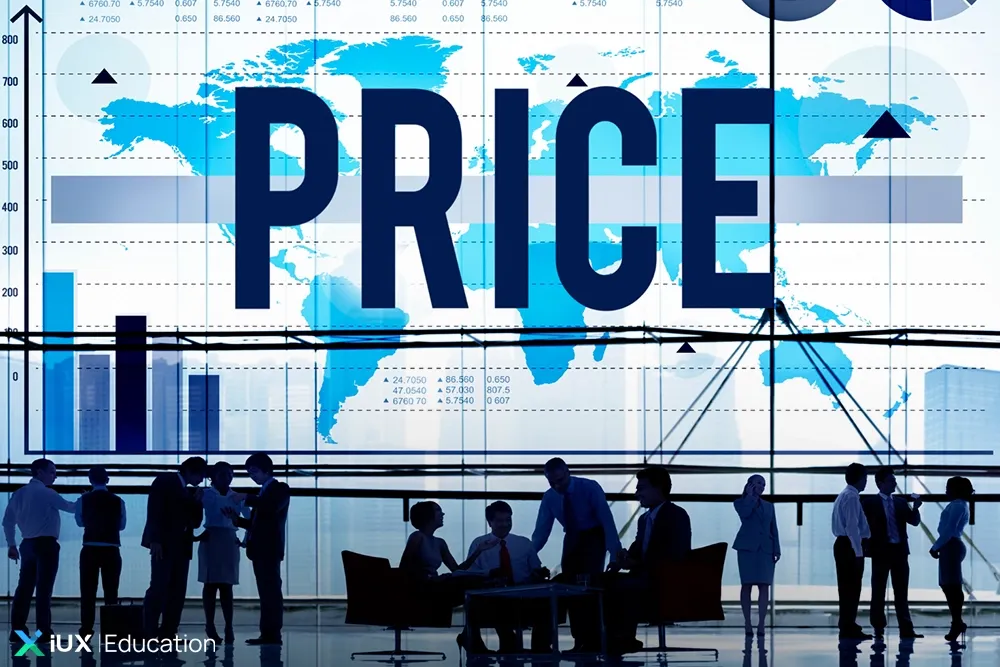
While the Consumer Price Index (CPI) gets the headlines, the Producer Price Index (PPI) is the "canary in the coal mine." It measures the cost of production at the wholesale level.
Why It Matters
Before a consumer pays more for a product, the company producing it usually pays more for materials. Therefore, a rise in PPI is a leading indicator for future inflation.
- Impact on the Dollar: If U.S. PPI figures beat forecasts, the market anticipates that the Federal Reserve will have to keep interest rates high to fight incoming inflation. This typically strengthens the USD.
- Impact on Commodities: Commodities have an inverse relationship. As the cost of production (PPI) rises, the raw price of goods like oil, gold, and base metals often fluctuates in response to the changing value of the currency they are priced in (usually USD).
Trader’s Strategy: Treat PPI as a preview of the Fed’s next move.
-
- Assets to Watch: USD/JPY, Gold (XAU/USD) in Forex Market, and Crude Oil.
- Tactics: If PPI trends upward, look for long setups on the USD and be cautious with long positions on non-yielding assets like Gold.
The Pulse of the Economy: Initial Jobless Claims

The U.S. Initial Jobless Claims report is a high-frequency data point (released weekly) that provides a near real-time snapshot of labor market health.
Reading the Data
- Lower Claims: Suggests a tight labor market and economic resilience. This gives the Federal Reserve "permission" to keep rates high, which generally boosts the USD.
- Higher Claims: Signals economic distress. This can lead to a sell-off in risk assets (stocks) and a weakening of the dollar as traders bet on future rate cuts.
Trader’s Strategy: Because this data is released weekly, it is excellent for short-term volatility plays.
-
- Assets to Watch: USD/CAD, GBP/USD, and S&P 500 futures.
- Tactics: Combine this data with volatility indicators like Bollinger Bands. A surprise in jobless claims often pushes price to the outer bands, creating mean-reversion or breakout opportunities.
Summary
Building a Macro-Aware Trading Plan
The most successful traders do not view economic data points in isolation; they view them as interconnected puzzle pieces.
- PPI tells us inflation is coming.
- Central Banks (SNB/ECB) raise rates to fight that inflation.
- Jobless Claims tell us if the economy can handle those higher rates.
By weaving these narratives together, forex traders can anticipate market movements instead of just reacting. Sustainable profits in trading are achieved by combining this macro-awareness with disciplined technical analysis and strict risk management.
💡FAQs
Q: Why does the Swiss Franc (CHF) have a unique reaction to interest rate adjustments by the Swiss National Bank (SNB)?
A: The reaction is unique because the Swiss Franc (CHF) holds "safe-haven currency" status. During periods of global economic uncertainty, an SNB rate hike often triggers rapid capital inflows as investors flee riskier assets for stability, leading to significant strength in the CHF.
Q: What is the Producer Price Index (PPI) and why is it referred to as a "leading indicator" for inflation?
A: The PPI measures the cost of production at the wholesale level (the price producers receive). Before a consumer pays more (CPI), the company producing the goods typically pays more for materials (PPI). Therefore, a rise in PPI serves as a leading indicator that consumer inflation will follow.
Q: What does the U.S. Initial Jobless Claims report tell us about the Federal Reserve's (Fed) decisions?
A: This report provides a snapshot of labor market health. Lower claims suggest a tight labor market, giving the Fed "permission" to keep rates high (boosting the USD). Conversely, higher claims signal economic distress, which can lead to speculation that the Fed will cut interest rates (pressuring the USD).


Note: This article is intended for educational purposes only and does not constitute investment advice. Investors should conduct independent research before making financial decisions.
Source: economic news impact trading